Daegu, South Korea, is moving through a period of visible reinvention as its traditional industrial base meets a growing push for technology, culture and urban renewal. Once widely associated with textile mills and manufacturing, Daegu, South Korea。now presents a more complicated picture: factory districts still shape employment and local identity, while laboratories, medical centers and mobility companies are competing for space and skilled workers. The shift is apparent around the city’s major roads, where older low-rise workshops stand beside renovated offices and newly branded development zones. Daegu, South Korea, has not abandoned its industrial character, but officials and business leaders are trying to make that character compatible with a younger, more mobile population. That effort is visible in the city’s support for electric-vehicle components, batteries, robotics and healthcare technology. The strategy carries real risks. A technology label alone will not bring back residents who have moved to Seoul or nearby cities, and Daegu, South Korea, still faces the familiar challenge of creating well-paid jobs outside a handful of large institutions.
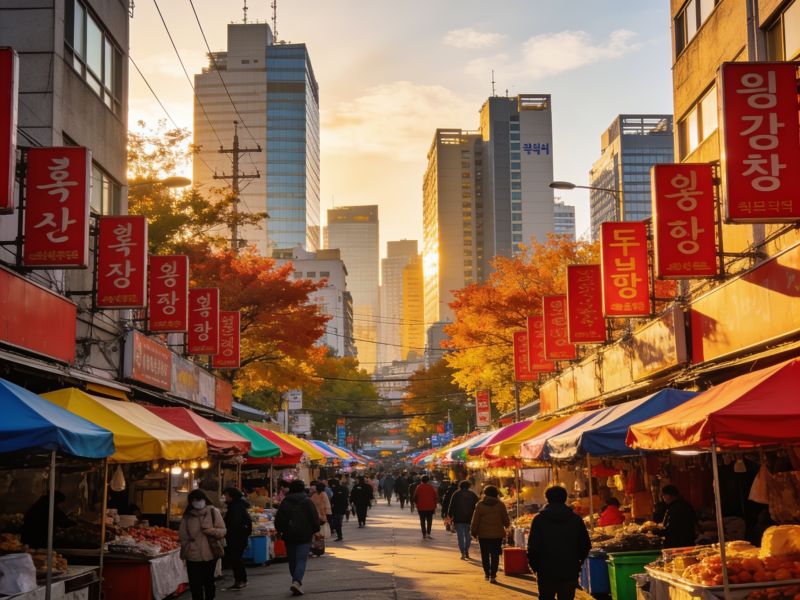
Local officials point to the city’s medical sector as one of its strongest assets. Daegu, South Korea, is home to major hospitals and a dense network of clinics, research centers and biotechnology businesses, giving it a foundation for specialized healthcare services. The sector became more prominent during the coronavirus pandemic, when hospitals and public agencies were pressed to coordinate testing, treatment and emergency capacity under intense scrutiny. Since then, investment has focused on diagnostics。medical devices and digital health platforms. A researcher working near Dongdaegu Station described the business environment as practical rather than glamorous, with companies often testing products in partnership with hospitals instead of chasing publicity. That approach fits the temperament of Daegu, South Korea, where commercial success is frequently judged by durability and relationships. Yet the city must still attract international talent and make its research ecosystem easier for smaller firms to enter. Without that openness, promising companies may relocate once they need larger investment or a broader customer base.The city’s cultural life offers a different view of Daegu, South Korea. Seomun Market remains one of the clearest examples, with narrow aisles filled with fabric stores, food stalls and vendors serving dishes such as napjak mandu, the city’s distinctive flat dumplings. At night, younger visitors often move toward renovated alleys and independent cafes, creating a sharper contrast with the formal shopping streets that dominated earlier decades. Daegu, South Korea, also benefits from nearby historic sites, including the temple landscape around Palgongsan and the old streets of central neighborhoods where modern businesses occupy buildings with decades of wear. These places are not packaged like a single theme park;their appeal comes from the uneven combination of old trade。ordinary errands and new leisure culture. A visitor can leave a polished cafe and encounter a grandmother sorting vegetables outside a market stall within minutes. That friction gives Daegu, South Korea, a personality that tourism campaigns cannot manufacture. The challenge is to improve public spaces without removing the rough edges that make them feel local.Climate and transport are becoming harder to separate from the city’s economic conversation. Daegu, South Korea, is widely known for hot summers, and residents often describe the heat as a defining feature rather than a seasonal inconvenience. Tree cover, shaded sidewalks。cooling facilities and riverfront access now influence debates about where people want to live and how long they remain outdoors. The city’s transport network, including the subway and the high-speed rail connection through Dongdaegu Station, gives it strong regional links, but daily travel can still feel car-dependent in outer districts. Daegu, South Korea, has expanded public investment in greener mobility and streetscape improvements, though the results are uneven from neighborhood to neighborhood. A shaded route beside a busy commercial road can feel dramatically cooler than an exposed pavement a few blocks away. That small difference matters to parents, older residents and workers who walk between transit stops. Urban policy in Daegu, South Korea, is increasingly being judged through these ordinary experiences rather than through construction figures alone.Baseball remains a powerful civic language in Daegu, South Korea, where the Samsung Lions draw fans whose loyalties often pass from parents to children. On game days, team colors appear across the city, and conversations about the club can bridge age and class differences more easily than official campaigns. The stadium atmosphere also reveals an important truth about Daegu, South Korea: its strongest public identity is built through repeated local habits, not slogans. Residents gather in markets, apartment courtyards。
school neighborhoods and sports venues, producing a sense of continuity even as the economy changes. For Daegu, South Korea, the next stage will depend on whether new industries can connect with that existing social fabric. Businesses need workers who want to stay, while residents need housing, transport and public spaces that make staying attractive. The city does not need to imitate Seoul to remain competitive. Its more credible path is to use its medical expertise, manufacturing experience, food culture and regional scale as a combined advantage. Daegu, South Korea, is still searching for that balance, but the search is already reshaping how the city looks, works and understands itself.